Project: Pulley systems V2
- Arrives in 2 to 7 business days Printed in Auckland. $10 shipping, free over $75
- 14-day faulty refund If it arrives broken or misprinted, we reprint or refund it
- Secure checkout Card payments handled by Stripe
- Material
- High-Detail Resin (8K)
- Colour
- Grey
- Weight
- ~65 g
- Print time
- ~3.6 h
- Express shipping
- $20
More information
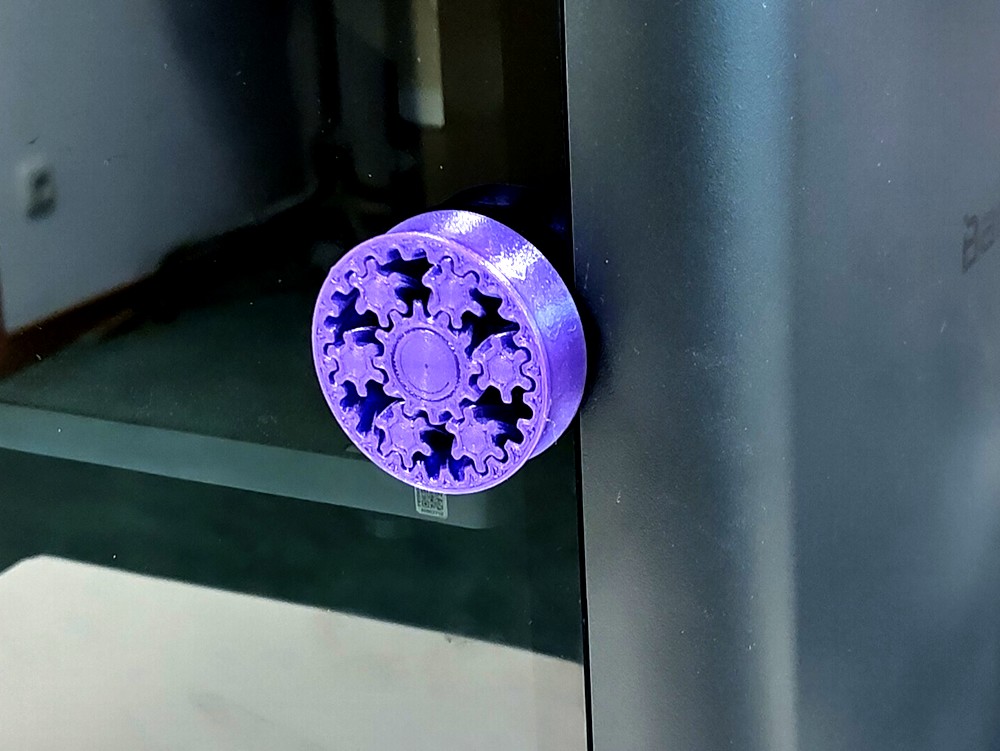
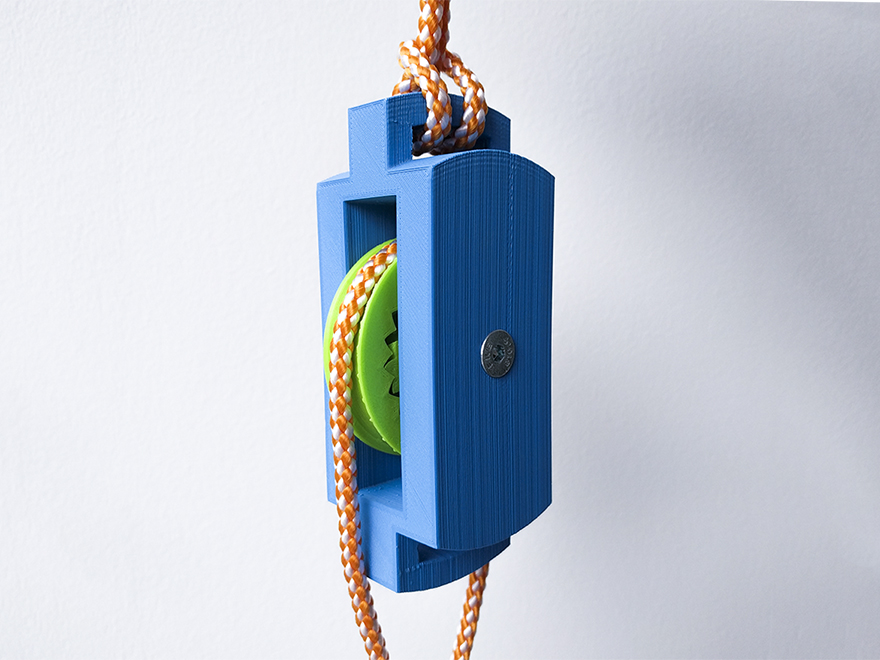
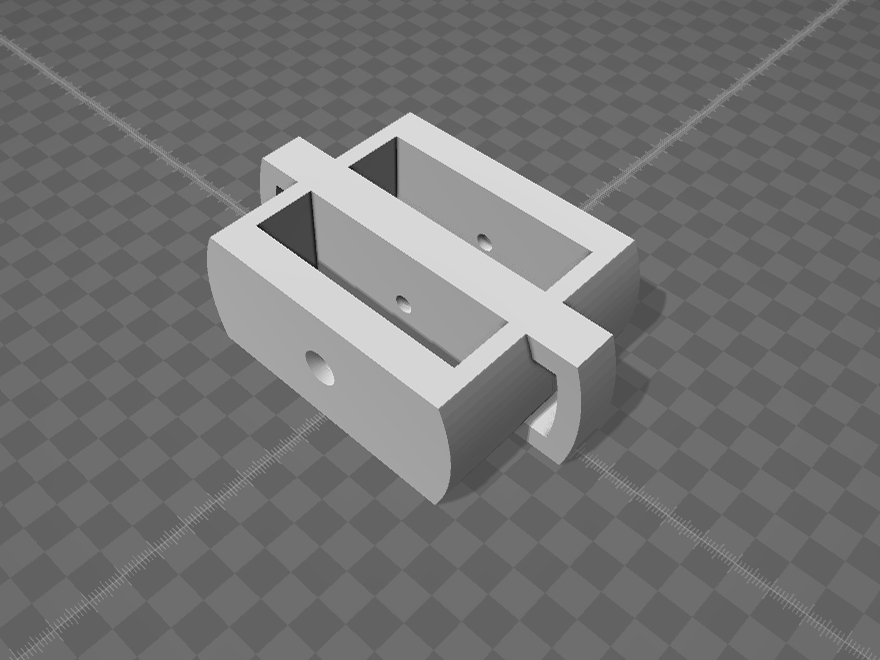
To demonstrate how simple and multiple chain hoist/pulley block work we need to have one or more pulleys. A functional single or multiple pulley is the result of this project. It can demonstrate the transmission of forces and weights in physics. During the design and construction process, the use of basic 3D geometry has been used and wheel bearing is used as a planetary gear.
Print instructions
Licence: Creative Commons - Attribution Category: Engineering How I Designed This
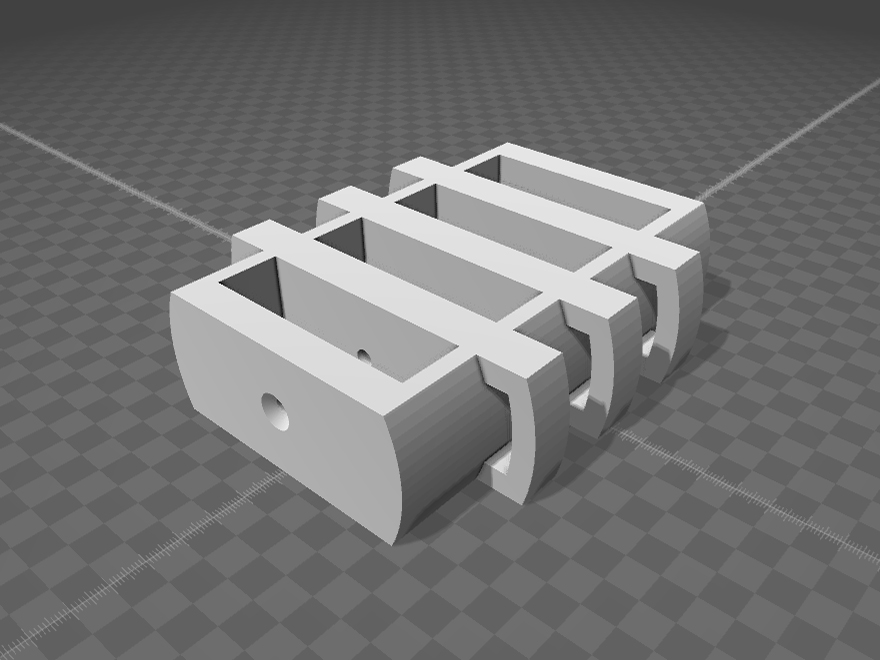
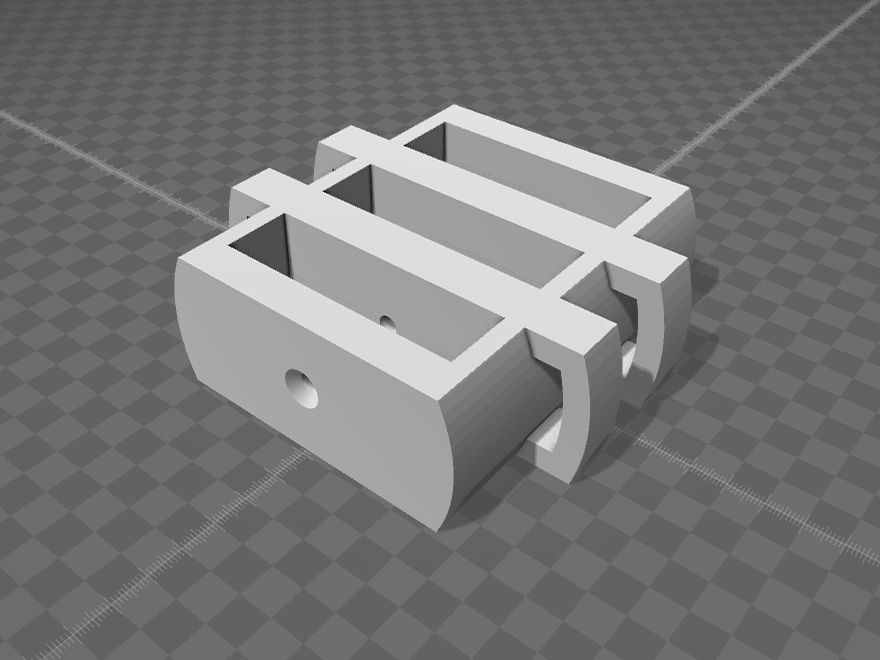
To create the pulley, which consists of two parts, the addition and subtraction of basic geometric shapes has been used and wheel bearing is used as a planetary gear. The pulley wheel is formed by a cylinder and torus subtracted from it. To create a multiple pulley, the number of wheels of the pulley can be set parametrically. All parts are designed for 3D printing.
Project: Pulley systems V2 - pulley with planetary gear bearing
Overview & Background
Planetary gear sets contain three major components or members. They are:
• The Ring Gear or Annulus which has internal teeth and wraps around the entire assembly.
• The Sun Gear (shown below in yellow) which is the smallest gear and sits in the center of the assembly. The planetary pinions orbit around the sun gear, hence the name of the gear set.
• The Pinion Gears (shown below in blue) interact with the Sun Gear at the same time.
Objectives
Students will be able to test and use in practice how pulley block, one of the first invented machines, works. Students will find out how to change the force required to lift the load when using more pulleys in various setups.
Wikipedia - Pulley
They may also work with inventing their own design of the pulley, in order to meet the principle, while being as simple and compact as possible.
Audiences
The function of the pulley block is usually part of the curriculum of secondary schools (11-years old pupils). Complex pulley blocks and designing your own pulley can bet he task for older students.
Subjects
• Physics
• Geometry
• Engineering
Skills Learned
With designing your own pulley system students will learn how to design simple machine, practical demonstration of simple or multiple pulley systems.
Lesson
• Design software
• 3D printer
1) Design your own pulley or prepare this design for 3D printing.
2) Print all parts of single or multiple pulley.
3) Propose variants wiring hoists.
Duration
• Designing - 5-10h
• Printing - 9h per one single pulley
Preparation
The preparation for this project is the study of the fundamental principles ofArchimedes pulley. Material: You also need to prepare several meters of rope with a diameter of 8-10 mm, steel M6 screw length 50mm for single pulley and a 3D printer. Tools: We needed a hacksaw, hammer and scissors. Force measuring load cell can be used. And finally some burden, of course ;)
Design and description by Michal Fanta , licensed CC-BY.
Frequently asked
How long does shipping take?
Project: Pulley systems V2 is printed to order. Lead time is typically 1-3 business days plus 1-4 days NZ shipping. Standard NZ shipping is $10, free over $75.
What material is this printed in?
By default this is printed in High-Detail Resin (8K) at 0.025 mm layer height on an MSLA resin printer. Custom material and colour swaps are available, just leave a note at checkout.
Can I get this in a different colour?
Yes. Every product can be printed in any of the resin colours we stock, or hand-painted on request. Leave a note at checkout or email [email protected].
Do you ship outside of New Zealand?
Currently New Zealand only. Australian shipping is coming.
Who designed this?
Designed by an independent sculptor and licensed for commercial printing. The original is linked on this page.